
Canada Gazette, Part I, Volume 160, Number 24: Regulations Amending the Pest Control Products Regulations (Exemptions and Product Authorizations)
June 13, 2026
Statutory authority
Pest Control Products Act
Sponsoring department
Department of Health
REGULATORY IMPACT ANALYSIS STATEMENT
(This statement is not part of the Regulations.)
Executive summary
Issues: The primary goal of the Pest Control Products Act (PCPA) is to prevent unacceptable risks to individuals and the environment from the use of pest control products. The scope of products subject to regulation under the PCPA, from conventional chemicals to devices, biopesticides and treated articles, varies considerably in risk profile. While most pest control products must be registered under the PCPA in Canada, the Pest Control Products Regulations (PCPR) describe products that are exempt from the application of the PCPA and others that are authorized (i.e. not required to be registered but potentially subject to specific conditions). Products that are authorized are still subject to the PCPA, including to risk-based compliance and enforcement measures.
Health Canada has identified a number of elements of the PCPR that are outdated, unclear, or unnecessarily burdensome, and in some cases do not reflect established operational policies and practices currently used to administer the regime. This creates inefficiencies for industry and regulators without improving health or environmental protection. As a result, there is a need to modernize the PCPR to better align regulatory requirements with risk, reduce the unnecessary burden, and provide greater clarity and predictability, while maintaining high standards of protection for human health and the environment.
Description: This proposal aims to better align the PCPR with current operational policies and practices; reduce the regulatory burden; and improve regulatory clarity.
Specifically, the proposed amendments would (i) better align the PCPR with current operational policies and practices by exempting nitrification inhibitors from the PCPA, authorizing both imported treated seed and chlorine for zebra and quagga mussel control under specific conditions, and amending authorizations for swimming pool and spa products; (ii) reduce the regulatory burden by authorizing macro-organisms, supplement-pesticides and certain activities related to pentachlorophenol-treated poles and cross-arms, and by amending authorizations for swimming pool and spa products; and (iii) improve regulatory clarity by addressing an issue raised by the Standing Joint Committee for the Scrutiny of Regulations (SJCSR) related to labelling requirements through technical amendments to the PCPR.
Rationale: The proposed amendments would reduce red tape and the regulatory burden by exempting or authorizing certain pest control products. This is a low-cost proposal, and the direct costs to industry are estimated at $151,447 (undiscounted), with total monetized benefits to industry estimated at $1,136,162 (undiscounted) over 10 12-month periods.
Other anticipated benefits include a more effective allocation of resources toward higher-risk areas, reduced regulatory costs for regulated parties and the Government, improved clarity, and timelier access to certain lower-risk products for Canadians while maintaining appropriate health and environmental protections.
Where possible, Health Canada conducted environmental scans to explore whether the proposed amendments would align with the approaches taken by other jurisdictions. Overall, the proposed amendments are expected to bring Canada into closer alignment with the United States (U.S.). No trade impacts have been identified or are anticipated.
Health Canada conducted pre-consultations in 2018 and 2025, which have been used to inform the development of the proposed amendments to the PCPR.
The proposed amendments fall under the streamlining regulations, simplifying rules and enhancing flexibility theme of the Health Canada and the Public Health Agency of Canada’s report on red tape reduction. In the 2019 Agri-food and Aquaculture Roadmap, as well as in its Forward Regulatory Plan and Regulatory Stock Review Plan, Health Canada committed to amend the PCPR to exempt and authorize certain products.
Issues
As part of a comprehensive review of the PCPR, Health Canada has identified a number of elements of the PCPR that would benefit from modernization, specifically the following:
- Multiple classes of pest control products present minimal risks to human health and the environment yet still require registration under the PCPA, producing unnecessary red tape and an unnecessary regulatory burden.
- Certain existing operational policies and procedures would benefit from being formally codified in the PCPR to provide greater predictability for industry.
- Various technical issues, including an issue raised by the SJCSR, must be rectified.
Background
The Minister of Health’s primary mandate under the PCPA is to prevent unacceptable risks to individuals and the environment from the use of pest control products. Pest control products include agricultural chemicals such as herbicides, biologicals, insecticides and fungicides; industrial chemicals such as wood preservatives; consumer products such as personal insect repellents and swimming pool disinfectants; treated articles; and pest control devices. To meet this objective, the Minister of Health applies modern, evidence-based scientific approaches to assess the health and environmental risks of pest control products, and if the products have value (e.g. they are effective).
Health Canada is reviewing the regulatory framework for pest control products authorized under the PCPA or exempted from the application of the PCPA, with a view to reducing the unnecessary regulatory burden while maintaining high standards of protection for human health and the environment. To this end, in the 2019 Agri-food and Aquaculture Roadmap, as well as in its Forward Regulatory Plan and Regulatory Stock Review Plan, Health Canada committed to amend the PCPR to exempt and authorize certain pest control products.
The Government of Canada launched a Red Tape Review across all departments in July 2025. Health Canada is using this opportunity to modernize its regulatory framework. The proposed amendments are included in the Health Canada and the Public Health Agency of Canada’s report on red tape reduction and would streamline regulations and reduce red tape and the administrative burden for both industry and the Government.
Regulatory framework
Before a pest control product can be manufactured, possessed, handled, stored, transported, imported, distributed or used in Canada, it must be registered under the PCPA unless otherwise authorized or exempted.
Registration
To register a pest control product, an applicant must submit a wide range of detailed scientific studies and information about the product to Health Canada. Health Canada then verifies that the application is complete, scientifically accurate, and includes studies that meet international standards. Health Canada conducts a scientific assessment to determine whether the health and environmental risks and the value of the pest control product are acceptable. Lastly, Health Canada consults with the public on all major proposed registration decisions.
Once a pest control product has been registered, Health Canada monitors risks of existing products through a system of post-market risk management controls to determine their continued acceptability. Re-evaluations may be initiated as a result of changes in the information required or the procedures used to determine that the pest control product meets current health, environmental and value standards, and must be initiated no later than 1 year after 15 years since the last major registration decision; special reviews are more limited in scope and may be initiated at any time to address the identified aspects of concern, under certain circumstances.
Authorization
Certain pest control products are both effective and pose minimal risks to health and the environment. Based on scientific assessments, pest control products can be authorized (i.e. registration under the PCPA is not required) if they meet the conditions specified in the PCPR. Manufacturers and distributors of authorized products are responsible for ensuring that their products meet all the conditions specified in the PCPR (e.g. labelling requirements, specific concentrations of active ingredients for swimming pool products) and that any claims made about the operation, effectiveness or performance characteristics of their products are accurate. Authorizing a pest control product in this way reduces the administrative burden for both industry and the Government, while providing appropriate oversight (such as risk-based compliance and enforcement activities) for products being sold and marketed in Canada.
Exemption
Certain pest control products are sufficiently regulated by other legislation (for example preservatives used in cooking foods) or it would be inappropriate to regulate them under the PCPA (for example lawnmowers). The PCPA does not apply to products that are exempt from the PCPA, but these products may be subject to other federal, provincial or municipal legislation.
Products identified for exemption or authorization
Section 3 of the PCPR exempts certain pest control products from the application of the PCPA. Section 4 and Schedule 2 of the PCPR authorize certain products (in other words, registration under the PCPA is not required) provided the conditions, if any, set out in the PCPR are satisfied. Unlike a registration, for products authorized in this manner, there is no application and no person directly responsible for obtaining that authorization. However, products that are authorized are still subject to regulation under the PCPA, as well as to provisions in the PCPA/PCPR applicable to all pest control products (registered or unregistered). Any person conducting an authorized activity for an authorized product (such as manufacturing, distributing or using the product) is required to comply with the relevant rules. The following describes several classes of pest control products that Health Canada has identified as candidates for exemption, authorization or adjustment to existing exemption or authorization criteria. This is a subset of the list consulted on in spring 2025; Health Canada intends to put forward other classes of pest control products as candidates for authorization, including some pest control devices and edible products, in a separate regulatory package.
Nitrification inhibitors
Nitrification inhibitors — commonly referred to in the agricultural industry as nitrogen stabilizers — act directly on soil bacteria for agricultural benefits (for example improving crop yields). Nitrification inhibitors meet the definition of a pest control product and are subject to the PCPA; they also meet the definition of supplement under the Fertilizers Act as they are applied with many forms of nitrogen-based fertilizers. To avoid regulatory duplication, Health Canada developed in 2018 the Memorandum of Understanding between the Pest Management Regulatory Agency of Health Canada and Canadian Food Inspection Agency (MOU) with the Canadian Food Inspection Agency (CFIA) respecting the regulatory oversight of nitrification inhibitors. Under this MOU, Health Canada does not require registration of these products under the PCPA, and nitrification inhibitors continue to be regulated by the CFIA under the Fertilizers Act. While Health Canada and the CFIA agreed to this approach via policy, the PCPR need to be amended to reflect the agreed upon federal approach.
Supplement-pesticides
Similar to nitrification inhibitors, other products that meet both the definition of a pest control product under the PCPA and of a supplement under the Fertilizers Act are regulated by both Health Canada and the CFIA. Currently, both acts require them to be registered — Health Canada oversees the pesticide function while the CFIA oversees the supplement function. These products may include plant growth regulators, non-conventional products, biologicals, and microbials, and can be single- or multi-ingredient products. As a result of this dual framework, proponents must navigate two separate regulatory regimes, leading to an increased administrative burden, longer timelines, and duplicative oversight.
A key challenge under the current framework is the absence of a regulatory pathway that allows these products to be authorized under a single, integrated label. Under the existing legislation, product labels may carry either supplement claims or pest control claims, but not both. Even where both Health Canada and the CFIA are satisfied with the scientific assessment of a product, conflicting statutory labelling requirements and policies prevent approval of a unified marketplace label. In practice, proponents seeking to market a product as both a supplement and a pesticide must submit two separate regulatory applications and develop two distinct labels, depending on how the product is marketed, or alternatively rely on a single label that omits certain approved uses. This limits the ability of proponents to fully communicate product functionality, and creates a structural barrier to market entry. It also creates a risk of unintended overapplication, whereby a grower may apply the same product separately for pest control and growth promotion without recognizing the overlap, leading to excessive cumulative application.
In addition to a solution to the labelling challenges, stakeholders have requested a single regulatory pathway for these products to reduce duplicative oversight. A working group including representatives from Health Canada, the CFIA and industry was established to explore these issues. However, there were challenges integrating supplement claims into the pesticide label under the scope of the PCPA that prevented supplement-pesticide products entering the market with a single marketplace label.
An approach modelled on the existing framework for fertilizer-pesticide products has been identified as a viable option to address these issues. Under this model, Health Canada would continue to assess and authorize pest control claims of pest control products, while the CFIA would regulate the final integrated product under the Fertilizers Act using Health Canada’s scientific assessments and supporting documentation. This framework preserves independent oversight by both regulators while reducing duplication and enabling coordinated review processes.
This coordinated model is considered a strong option because it maintains existing health and environmental protections, leverages established interdepartmental information-sharing mechanisms and aligns with regulatory practices already in place for comparable products (i.e. fertilizer-pesticides). It has the potential to improve regulatory efficiency, reduce barriers to commercialization, and support innovation, while continuing to ensure that products entering the marketplace meet federal safety and performance standards.
To action this coordinated model and allow for a single integrated label, an amendment to the PCPR is required to authorize supplements that are subject to the Fertilizers Act if the active ingredients are registered under the PCPA.
Imported treated seed
Treated seed, meaning seed into which a pest control product is intentionally incorporated or to which it is applied, is a pest control product under the PCPA, and is currently authorized through Schedule 2 provided that the active ingredients and the pest control product used to treat the seed are registered in Canada for the purpose of treating those seeds. This means that the current authorization for treated seed is only satisfied if the seed is treated with a pest control product registered in Canada, irrespective of whether it is treated in Canada or abroad.
Treated seed imported into Canada is almost exclusively treated with a product that is registered in the country of origin. However, the product used abroad may not be the exact same formulation as a product registered in Canada, even if it contains the same active ingredient and is applied to the seed within Health Canada–approved application rates. As Canadian rules require that the product used to treat the seed be a product registered in Canada, importers may be forced to register that product under the PCPA, despite there being no concerns from a health and environmental perspective. Given the lack of health and environmental concerns, and the challenges with meeting the current authorization criteria, current practices are that treated seed is permitted for import provided the same active ingredient is registered in Canada, the seed is labelled appropriately, and the product is applied to the seed within Health Canada–approved application rates. Amendments to the PCPR are required to reflect this practice.
Additionally, the Regulatory Directive: Colour Standards for Seed Treatment Products and Labelling of Treated Seed sets out guidelines for labelling treated seed based on the quantity, defining commercial quantities as “greater than 0.5 kg.” The labelling conditions for treated seed that “is sold and shipped in bulk” in Schedule 2 of the PCPR should be updated to reflect the quantity set out in the guideline.
Swimming pool and spa products
In 1992, certain swimming pool and spa products containing registered active ingredients were authorized. Guidance on these products and the applicable authorization conditions are contained in the Regulatory Directive: Scheduling of Selected Pool and Spa Chemicals (DIR93-05), which aligns with operational policy.
However, not all policies outlined in the DIR93-05 are reflected in Schedule 2 of the PCPR. Policies not reflected in the Regulations include requirements that authorized products must be repacks of a registered pest control product only. In particular, two key elements would need to be incorporated into the PCPR to ensure alignment with policy.
The PCPR should clarify that authorized products must be repacks of a registered pest control product. A repack is a product taken from an already registered pest control product and sold in a different package or size without any changes to its formulation or composition (i.e. the same concentration of active ingredient, no additional formulants, and same product formulation as a registered pest control product).
The PCPR should clarify that the authorized product is only intended for personal use in and around the home (i.e. the product would have the class designation “DOMESTIC” if it were a registered product rather than an authorized product).
There is also an opportunity to better align the PCPR with current practices. Lithium hypochlorite is currently authorized, but its registration appears to no longer be supported by manufacturers (there are no registered products). As a result, it is not currently possible to repackage registered lithium hypochlorite products. Through consultations, Health Canada sought input on continuing to authorize lithium hypochlorite; however, no comments were received.
Health Canada identified opportunities to reduce the regulatory burden by modernizing these authorizations to expand the acceptable ranges of active ingredients and formulation types. In practice, this expansion would mean allowing manufacturers to use a broader set of already registered products, across a range of concentrations and formulation types (e.g. tablets, liquids, or granules as applicable), rather than limiting them to a single, fixed specification. This would allow manufacturers to choose among alternative registered sources based on cost and availability while continuing to meet authorization conditions. Labels could also be modernized to allow either the manufacturer’s or the distributor’s contact information to appear on the label, rather than solely the distributor’s, thereby increasing labelling flexibility.
Amendments to the PCPR are needed to align them with operational policy and modernize the authorization of pool and spa products, which would reduce the administrative burden of industry and Government, while maintaining appropriate oversight for products that do not require registration.
Finally, the swimming pool and spa products authorized in Schedule 2 are set out in sections 7 and 8 of the Schedule, respectively, and repeat requirements for the same products. These can be merged for simplicity.
Chlorine for zebra and quagga mussel control
Zebra and quagga mussels are invasive species that, if left unchecked, can pose severe threats to, and have economic impacts on, waterways and native species. Chlorine has been used since 1992 in Ontario to prevent the buildup of zebra and quagga mussels in intake pipes, both for potable and for industrial process water (i.e. drinking and wastewater treatment systems), under the conditions set out in Note to the Canadian Association of Pest Control Officials (CAPCO) C92-03. These conditions require that chlorine application rates be consistent with those used in potable water treatment, and that the effluent or return water meets requirements of the jurisdictions in which it is discharged. In addition to the potential impacts on water intake systems and native species, Note C92-03 also recognized issues for recreational and navigational activities (e.g. reduced beach quality from presence of shells, sinking of buoys from the weight of attached mussels). Pending development of a regulatory approach, a similar note was given to Manitoba in summer 2017, and to the other jurisdictions signatory to the Western Canada Invasive Species Agreement (British Columbia, Alberta, Saskatchewan and Yukon) in 2018 following requests from the provinces based on identified and anticipated spread. To address the challenges posed by these invasive species, amendments to the PCPR are needed to align the PCPR with operational policy and expand the scope of the authorization throughout Canada.
Pentachlorophenol-treated utility poles and cross-arms
Pentachlorophenol-treated utility poles and cross-arms are essential parts of the electrical grid. Pentachlorophenol is a wood preservative classified as a pest control product. Utility companies keep these poles and cross-arms in stock to maintain the grid’s reliability through unpredictable weather events, to replace already installed poles and cross-arms at the end of their service life, and to advance new infrastructure projects. Health Canada initiated a special review of pentachlorophenol (REV2022-02, Update on the Special Review of Pentachlorophenol) due to concerns related to human health (occupational exposure in wood treatment facilities and exposure of the general public to treated wood) and the environment (including persistence, potential risks to aquatic organisms and terrestrial vertebrates, and releases to the environment of micro-contaminants). Following a review of these concerns, Health Canada cancelled the registration of pentachlorophenol and began a phase-out of the product. Health Canada subsequently granted a time-limited registration (Registration Decision RD2023-13, Pentachlorophenol Treated Poles and Cross-Arms) for the sale and use (i.e. installation by utility companies for the specific purpose of transmitting and distributing electricity and telecommunications) of the remaining supply of pentachlorophenol-treated utility poles and cross-arms until October 4, 2026, to allow utility companies to deplete the existing stock and support access to reliable electricity and telecommunications.
In response to the consultation on the proposed registration decision, Health Canada heard from stakeholders that there may be a need for the relocation or reinstallation of pentachlorophenol-treated utility poles and cross-arms after October 4, 2026. For example, a pentachlorophenol-treated utility pole may be installed prior to October 4, 2026, but 10 years later it must be relocated to widen a road. Other stakeholders indicated that pentachlorophenol-treated utility poles that are no longer used for electrical distribution could be repurposed to have raptor nesting platforms affixed to the structure on top to aid in gopher control around farm pastures and to keep raptors from nesting on poles that have live electricity lines. Health Canada also received comments indicating that northern communities would be disproportionately affected by the temporary authorization of pentachlorophenol-treated utility poles and cross-arms and requesting that the timeline to use the remaining stock be extended beyond October 4, 2026, due to transportation and installation challenges in these communities. Health Canada considers the health and environmental risks of these uses to be comparable to the permitted uses listed in RD2023-13. Amendments to the PCPR are required to authorize, beyond October 4, 2026, several activities that were permitted in accordance with RD2023-13, as well as additional activities that were not included in RD2023-13, but have subsequently been identified as being appropriate for authorization.
Macro-organisms
Under the PCPA, pest control products include organisms and organisms derived through biotechnology that are manufactured, represented, distributed or used as a means for directly or indirectly controlling, destroying, attracting or repelling a pest or for mitigating or preventing its injurious, noxious or troublesome effects. The PCPA does not limit the scope of what organisms may be considered to be pest control products; therefore, macroscopic organisms (e.g. insects) can be considered pest control products. Currently, there are no registrations for macro-organisms used as biological control agents (BCAs) under the PCPA, despite there being a history of their use as BCAs for pest control in Canada (e.g. ladybugs to control aphids).
Health Canada considers the release of indigenous macro-organisms into the environment as BCAs to be a low risk of harm to human health and to the environment. Few, if any, records of adverse impacts have been noted, and such organisms are already widely distributed through other activities unrelated to pest control (for example transportation).
Non-indigenous macro-organisms used as BCAs for direct or indirect plant protection (e.g. wasps to control emerald ash borer; other examples are available on the Import and release of biological control agents into Canada page) are subject to regulation under the Plant Protection Act, which is administered by the CFIA. Under the Plant Protection Regulations, the CFIA issues permits respecting the import of pests or biological obstacles to the control of a pest. Health Canada is satisfied that the permitting process under the Plant Protection Act is sufficient to meet the human health and environmental protections mandates set out in the PCPA.
The current regulatory framework therefore creates unnecessary duplication of oversight. Regulatory amendments are needed to clarify the status of indigenous macro-organisms used as BCAs, aligning the PCPR with their established low-risk use. Amendments are also needed to recognize the oversight provided under the Plant Protection Act for non-indigenous macro-organisms in cases where a CFIA permit has been issued and its conditions are respected.
Macro-organisms that are derived through biotechnology (e.g. genetically modified or gene-edited) would still require registration under the PCPA.
Miscellaneous
Addressing a concern from the SJCSR
The PCPR were amended in 2019 (Canada Gazette, Part II, Vol. 153, No. 11) to permit a pest control product that is contained in more than one package to bear a specified subset of approved label information on its outermost package during storage, transport and handling. The intent was to provide registrants with the option of not including the full label on an outer container in situations where it may not be practical to do so (for example during shipping). However, the SJCSR has noted that it appears as though the requirement to include the full display panel on the outer container remains; therefore, further amendments to the PCPR are needed to align the PCPR with the original intent.
Objective
The proposed amendments would
- reduce red tape and regulatory burden by exempting or authorizing multiple classes of pest control products while maintaining appropriate protections for human health and the environment;
- codify processes currently implemented by policy into the PCPR; and
- make technical changes to the labelling provisions to address the issue raised by the SJCSR.
Description
The proposed amendments target improvements to the PCPR to exempt or authorize certain products under the PCPA.
Amendments to the Pest Control Products Regulations
Nitrification inhibitors
Under the proposed amendment, nitrification inhibitors intended for preventing or hindering the process of nitrification within soil bacteria would be exempt from the application of the PCPA under section 3 of the PCPR.
Supplement-pesticides
Under the proposed amendment, supplements that are subject to the Fertilizers Act would be authorized under Schedule 2 of the PCPR if the active ingredients are registered under the PCPA.
Imported treated seed
Under the proposed amendment, imported treated seed would be authorized under Schedule 2 of the PCPR if
- the active ingredient used to treat the seed is registered in Canada for the purpose of treating such seed (however, the end-use product used to apply that active ingredient does not need to be registered in Canada);
- the seed is treated in accordance with Health Canada–approved range of application rates for that active ingredient; and
- the labelling information for the applicable Canadian seed treatment accompanies the treated seed when it is packaged for distribution.
Additionally, under the proposed amendment, the labelling requirements for treated seed would be clarified in Schedule 2 of the PCPR. The changes include updating the phrase “sold and shipped in bulk” to “stored, handled and transported in commercial quantities greater than 0.5 kg” and clarifying that the appropriate precautionary symbols and signal words of the applicable registered seed treatment appear on the label, regardless of whether the seed is treated domestically or imported.
Swimming pool and spa products
Under the proposed amendment, the following changes would be made to Schedule 2 of the PCPR for authorized pool and spa products to ensure alignment with operational policy as well as modernize the PCPR:
- clarifying that the contact information of a Canadian manufacturer or distributor must be on the label;
- specifying that products would have the product class designation “DOMESTIC” if they were registered under the PCPA;
- limiting authorized products to repacks of the registered pest control product only (i.e. the same concentration of active ingredient, no additional formulants, and the same product formulation as a registered pest control product), the exception being tablet formulations of trichloro-s-triazinetrione and sodium dichloro-s-triazinetrione, and sodium dichloro-s-triazinetrione/sodium bromide products in either tablet or granule formulation;
- establishing permissible ranges of available chlorine for products in the Schedule;
- removing lithium hypochlorite from the Schedule; and
- merging the authorizations for swimming pool and spa products into one item for simplicity.
Chlorine for zebra and quagga mussel control
Under the proposed amendment, the use of chlorine to prevent the accumulation of zebra or quagga mussels in intake pipes of both drinking and industrial water treatment systems would be authorized under Schedule 2 of the PCPR, provided the use rates of chlorine are consistent with drinking water treatment requirements of the jurisdictions in which it is used (federal, provincial, municipal), and neither the effluent nor return water exceeds 2.0 ppm of free available chlorine.
Pentachlorophenol-treated poles and cross-arms
Under the proposed amendment, subsection 4(5) of the PCPR would authorize the following activities for pentachlorophenol-treated poles and cross-arms:
- installation and relocation by utility companies for the specific purpose of transmitting and distributing electricity and telecommunications;
- reassignment of ownership of installed pentachlorophenol-treated poles and cross-arms without uninstalling or relocating them;
- affixing a structure to (including nesting platforms for birds of prey) or removing material from a pentachlorophenol-treated pole and cross-arm; and
- disposal of the pentachlorophenol-treated poles and cross-arms in accordance with applicable federal law, provincial law, or municipal regulations.
The manufacture and import of pentachlorophenol-treated poles would remain prohibited. Distribution would be limited to reassignment of ownership of an installed pole without uninstalling or relocating it.
The proposed amendment would also require the owner of the pentachlorophenol-treated pole or cross-arm to provide all of the label information set out in Schedule 2.1 to workers and subcontractors responsible for the installation, transportation, handling, use (e.g. maintenance) or disposal of pentachlorophenol-treated poles and cross-arms.
Macro-organisms
Under the proposed amendment, subsection 4(1) of the PCPR would authorize indigenous macro-organisms and non-indigenous macro-organisms for which a permit was issued under the Plant Protection Act and that comply with all applicable conditions specified therein. For instance, there are prohibitions under the Plant Protection Regulations against the import, possession, transportation and release of non-indigenous species without a permit.
This authorization would not apply to macro-organisms that are derived through biotechnology (e.g. those that are genetically modified or gene edited).
General amendments
Transitory provisions
The proposed transitory provisions would ensure that any product that is eligible for authorization is not registered in the future under the PCPA, since registration will no longer be required following the coming into force of the proposed amendments. The proposed transitory provisions would do this by terminating any pending applications to register (or to amend or renew an existing registration) for a pest control product that is eligible for authorization when the regulatory amendments come into force.
Any currently registered swimming pool and spa products that would be eligible for authorization would have the validity period for their registrations end no later than December 31 in the third year after these amendments come into force.
Miscellaneous amendments
Addressing a concern of the SJCSR — Labelling of outermost packages
The proposed amendments would clarify that if a pest control product that is labelled in accordance with subsections 26(1) and (2) of the PCPR is contained in additional packages for the purposes of storage, transportation or handling, and the outermost package that is visible under normal conditions of storage, transportation or handling displays the information specified in subsections 26(3), then the outermost package is not required to be labelled in accordance with subsections 26(1) and (2) or section 25 of the PCPR.
Coming into force
The proposed amendments for nitrification inhibitors, macro-organisms, pentachlorophenol-treated poles and cross arms, and labelling of outermost packages would come into force upon registration in the Canada Gazette, Part II. All other proposed amendments would come into force 180 days after publication.
Regulatory development
Consultation
Health Canada conducted pre-consultations in 2018 and 2025, which have been used to inform the proposed amendments to the PCPR. A description of these consultations and relevant stakeholder feedback is discussed below.
2018 Pre-consultation
On November 30, 2018, Health Canada published Regulatory Proposal PRO2018-03, Pre-Consultation – Proposed Amendments to the Pest Control Products Regulations (Product Exemptions).
The 2018 pre-consultation included proposals to exempt certain classes of pest control products from the registration requirements under the PCPA in order to eliminate regulatory duplication, codify current policies, and ensure appropriate oversight of regulated products.
The consultation, communicated through Health Canada stakeholder and committee distribution lists, lasted 90 days. Health Canada also held a webinar with a question and answer session during the consultation period. Stakeholders consulted included industry and user group associations, manufacturers, regulatory consultants, non-governmental organizations (NGOs), and regulatory partners. Stakeholders were supportive of the proposed changes, as most of them were intended to address their concerns or had been specifically requested by them. Other federal departments and provincial and territorial regulatory partners were also supportive, as the proposed amendments would minimize regulatory duplication. Feedback on the 2018 proposal was incorporated into the subsequent proposals, as appropriate.
Health Canada considered all comments received while developing this regulatory proposal, which supersedes the 2018 regulatory proposal. Health Canada also explored an alternate statutory authorization mechanism in 2022 (Consultation on further strengthening protection of health and the environment: Targeted review of the Pest Control Products Act - What we heard) that did not proceed in the end, as it was determined that the PCPA was fit for purpose and amendments were not required at that time. In addition to exploring a statutory authorization mechanism, the delay in advancing the 2018 regulatory proposal resulted from competing priorities during the pandemic. The element on treated articles discussed in the 2018 consultation is not included in the current proposal, as it was addressed under the Regulations Amending the Pest Control Products Regulations (Applications and Imports), which was published in the Canada Gazette, Part II, Vol. 156, No. 25.
2025 Pre-consultation
On March 7, 2025, Health Canada published Regulatory Proposal PRO2025-01, Pre-consultation – Proposed amendments to the Pest Control Products Regulations (product exemptions).
The consultation, communicated through Health Canada stakeholder and committee distribution lists, was open for comment for 90 days. Health Canada also held a webinar with a question and answer session during the consultation period. Stakeholders consulted included industry and user group associations, manufacturers, regulatory consultants, NGOs, Health Canada’s Federal/Provincial/Territorial Committee on Pest Management and Pesticides, Indigenous groups (e.g. the Assembly of First Nations and the Métis National Council) and regulatory partners. Additionally, Health Canada met with key stakeholders as requested (i.e. the Canadian Consumer Specialty Products Association and the Fertilizer and Supplement Advisory Committee) on the proposal during the consultation period.
Health Canada received 23 comment packages related to exemptions and product authorizations, with 19 comments relevant to the items going forward in these proposed amendments. Stakeholders generally supported the policy intent behind the proposal, but most requested that the proposal go further in certain areas and provided technical recommendations to consider.
Under section 5.4 of the PRO2025-01, Health Canada proposed to make amendments for foods used as pest control products. All comments on this item will be considered as part of future regulatory work to address pest control devices and edible products.
Comments on the regulatory approach
Most stakeholders were generally supportive of the regulatory approach for product exemptions and provided product-specific recommendations to further reduce the regulatory burden.
Nitrification inhibitors
Stakeholders were generally supportive of the 2018 proposal to exempt nitrification inhibitors that act on soil bacteria from the application of the PCPA and solely regulate them under the Fertilizers Act. In 2018, one party suggested Health Canada might be better placed to regulate these products. However, as articulated in an MOU with the CFIA published in 2018, Health Canada is satisfied that the scientific risk assessments conducted by the CFIA adequately address the health and environmental risks and value associated with these products. As a result, there were no changes to the proposal. In 2025, feedback from stakeholders was supportive, with no requests for changes.
Chlorine for zebra and quagga mussels
During the 2018 consultation, a provincial stakeholder asked if registration was considered as an option in the course of policy development. Health Canada considered possible regulatory instruments, and determined that the authorization pathway is a more appropriate pathway for such uses, as it is consistent with current practice and reduces regulatory and administrative burden while still maintaining health and environmental safety objectives. No concerns with the proposed amendments were raised in the 2025 consultation.
Imported treated seed
Stakeholder associations supported the proposal to codify current practices by authorizing the importation of treated seeds with active ingredients at approved application rates comparable to a Canadian registration. Health Canada intends to amend the PCPR as proposed in PRO2025-01.
Macro-organisms
In response to the 2025 consultation document, an industry stakeholder requested clarification on the process for registering macro-organisms such as gene-edited macro-organisms. As indicated in PRO2025-01, the proposed authorization would not apply to macro-organisms derived through biotechnology, including those that are genetically modified, or gene edited. Health Canada is exploring development of potential regulatory strategies and frameworks for gene-edited BCAs, in consultation with other federal departments.
Pentachlorophenol-treated poles and cross-arms
All responding stakeholders (industry) either supported or did not oppose the regulatory proposal to authorize pentachlorophenol-treated poles and cross-arms consistent with Registration Decision RD2023-13. Some stakeholders recommended extending the time limit for using existing stock or for manufacturing beyond 2026, and allowing the recovery of treated utility poles for recycling or reuse based on provincial standards.
Health Canada conducted a health and environmental assessment regarding extending the use of the existing stock of pentachlorophenol-treated poles and cross-arms beyond 2026, and concluded that the health and environmental risks are acceptable.
There would be no significant change in occupational exposure risks to workers installing or conducting post-installation activities with the remaining stock of pentachlorophenol-treated poles beyond 2026. With the diminishing number of pentachlorophenol-treated poles being installed over time, exposure will also be reduced and health risks are not expected to be of concern. Workers are required to wear specialized personal protective equipment at all times when handling pentachlorophenol-treated poles and cross-arms. Health Canada is also proposing to continue the requirement for label information to be provided to workers and subcontractors prior to installing, transporting, relocating, handling, using or disposing of pentachlorophenol-treated poles and cross-arms. Furthermore, there is no increased risk to the general public due to the specific use authorized, and there is no significant change in environmental risk, as there is no change to the remaining supply of pentachlorophenol-treated poles.
Therefore, the proposal was modified to remove the time limit in RD2023-13 and to indefinitely permit the installation and relocation of the remaining supply of poles and cross-arms across Canada by a utility company for the specific purpose of transmitting and distributing electricity and telecommunications.
Health Canada will not authorize manufacturing beyond 2026 due to potential exposure risks to workers during the treatment of utility poles at treatment facilities.
With respect to allowing the recovery of treated utility poles for recycling or reuse, Health Canada considered this suggestion based on available information on human health and environmental risks posed by these pest control products. At this time, Health Canada is not permitting the recycling or reuse of treated utility poles in this regulatory change and recommends the disposal of pentachlorophenol-treated poles and cross-arms in accordance with applicable federal and provincial law and municipal by-laws.
Supplement-pesticides
Stakeholders expressed support for the proposal to authorize dual property supplement-pesticide products with a registered active ingredient under the PCPA. However, industry stakeholders felt that without a joint review process for the active ingredients and end use products by Health Canada and the CFIA — with one application, one label, and reduced fees — there would not be sufficient incentive for these authorizations. Health Canada adjusted its cost-benefit analysis to reflect this feedback. Health Canada intends to work with the CFIA on implementation to explain requirements and process, and explore the potential for the CFIA to leverage Health Canada’s reviews, prior to these proposed amendments coming into force.
Modernizing swimming pool and spa product authorizations
With respect to the proposal to modernize the authorization of swimming pool and spa products, stakeholders were supportive. However, they recommended allowing authorization of commercial use swimming pool and spa products, that meet specific conditions, and anti-scale formulants. Health Canada cannot support authorizing commercial use swimming pool and spa products due to the far more significant exposure potential for workers in this scenario. Anti-scale products cannot be authorized as a class given their variability (i.e. it is not possible to establish common criteria to ensure they do not present unacceptable risks to health or the environment) and thus would have to be considered on an individual basis.
Health Canada explicitly sought input on manufacturer support for continued authorization of lithium hypochlorite pool products, and the extent of their use in pools and spas in Canada; however, no responses were received on this issue.
Transition period
Some respondents noted a desire to have a transition period between final publication and coming-into-force, so that their member companies could have adequate time to make any necessary changes for their currently registered products that meet the proposed authorization conditions. Health Canada identified that the only registered products that may be impacted are swimming pool and spa products and provided a transition period of up to three years after the proposed amendments came into force. This would give the industry the opportunity to familiarize itself with the amendments, sell remaining inventory, and adapt business practices if required.
Miscellaneous
Addressing a concern from the SJCSR
Health Canada engaged stakeholders in 2016, 2017 and 2018 in developing regulatory amendments for outermost packaging of pest control products in Regulations Amending the Pest Control Products Regulations (Labelling): SOR/2019-133. Stakeholders supported the intent to provide registrants with the option of not including the full label on an outer container in situations where it may not be practical to do so (for example shipping). Health Canada did not receive any specific comments or concerns from stakeholders during the PRO2025-01 consultation regarding this aspect of the proposed amendments.
Others
One respondent stated that cellulose pellet rodenticides are cruel and should be banned. Similarly, another commenter requested that humaneness be considered as a condition for exemption and/or authorization. There are currently no internationally recognized science-based parameters to evaluate the humaneness of pest control products. At this time, Health Canada will not be taking steps towards incorporating humaneness considerations into the proposed amendments.
One commenter requested modernizing exemptions under paragraph 3(1)(c) of the PCPR so that disinfectants and sanitizers with a drug identification number (DIN) can be used in a greenhouse, consistent with what is permitted in the Biocides Regulations. Health Canada may address this in a future regulatory package, as the issue would require significant policy analysis.
Indigenous engagement, consultation and modern treaty obligations
The proposed regulatory amendments have been drafted to ensure that there are no impacts in respect of the Government’s obligations in relation to Indigenous rights protected by section 35 of the Constitution Act, 1982, or its modern treaties and international human rights obligations. Health Canada also completed an assessment of intersections with the United Nations Declaration on the Rights of Indigenous People Act and determined that the regulatory amendments are not inconsistent with the rights or objectives of the UN Declaration.
Consultation feedback related to potential impacts on Indigenous communities
Health Canada conducted a pre-consultation on the Regulatory Proposal PRO2025-01, Pre-consultation – Proposed amendments to the Pest Control Products Regulations (Product Exemptions). As part of this consultation, Health Canada asked if northern communities would be disproportionately impacted by the temporary authorization of pentachlorophenol-treated poles and cross-arms. In response to PRO2025-01, Health Canada received two comments from stakeholders (one of which is an Indigenous-run company, the other a utility company) that support electricity infrastructure to Indigenous communities. They proposed that additional time be given to use remaining stocks of pentachlorophenol and to install treated poles beyond October 4, 2026. Specifically, one respondent asked for an extension to the permitted time for manufacture and use to replace power and communications infrastructure damaged by wildfires in northern Saskatchewan, an area where 69% of the residents are registered or Treaty Indians. Another respondent stated that an extension is needed for Northern Canada given the serious financial and logistical expenses (e.g. disproportionate costs of transportation and disposal of poles in the North), the use of treated poles to provide infrastructure for Indigenous housing programs, and limited season to install the poles. In response to these comments, Health Canada conducted an additional assessment of health and environmental risks of allowing the remaining supply of poles to be installed and relocated.
General consultations
Health Canada consulted on topics included in this proposal in 2018 and 2025. The consultations were communicated through Health Canada stakeholder and committee distribution lists, which included various stakeholder groups and partners, including Indigenous organizations. Specifically, Health Canada notified the Assembly of First Nations and Métis National Council regarding the public consultations.
Modern treaty obligations
As required by the Cabinet Directive on the Federal Approach to Modern Treaty Implementation, an assessment of modern treaty implications was conducted for the proposal. The assessment did not identify any modern treaty implications or obligations applicable to the proposal.
Instrument choice
For each issue that would be addressed through this proposal, Health Canada conducted an analysis to evaluate whether the baseline scenario (no action), a change to policy, or a regulatory amendment would be the best option. In each case, Health Canada determined that the issue is best addressed by a regulatory amendment. The PCPA and PCPR stipulate that certain requirements must be set out in regulation, and an exclusively policy-level approach (i.e. through interpretive guidance or administrative measures) would not be consistent with obligations under the PCPA and the PCPR. In particular, regulatory amendments are the most appropriate means to authorize exempting certain products from the application of the PCPA as the PCPA does not provide sufficient authorities to do so exclusively by policy. Moreover, the concern of the SJCSR must be addressed through a regulatory amendment.
Regulatory analysis
Benefits and costs
The cost-benefit analysis provides estimates, either quantitatively or qualitatively, on the incremental impacts (i.e. costs and/or benefits) between what is likely to happen in the future without the proposed regulatory amendments (i.e. baseline scenario) and what would happen as a result of the proposed amendments (i.e. regulatory scenario). The baseline scenario and the regulatory scenario are described below for each proposed amendment.
This proposal is not expected to result in significant costs as per the Treasury Board of Canada Secretariat’s Policy on Cost-Benefit Analysis. In comparison, the proposal is expected to result in cost savings by reducing the administrative burden on industry. Review of the amendments suggests that the total cost to industry is estimated at $151,447 (undiscounted), and the total benefit to industry is estimated at $1,136,162 (undiscounted) over 10 periods of 12 months.
| Cost items | Costing application | Unit cost (in 2020 dollars) | Assumptions | |
|---|---|---|---|---|
| Cost to industry | Familiarization with the regulatory amendments | All regulatory amendments | $187 per registrant | Assumed four hours for each of the current 707 registrants to familiarize themselves with the regulatory amendments at $46.82 per hour (in 2020 dollars). |
| Label changes | Products that need to change label in order to be authorized | $375 per authorized product | Assumed seven hours to make changes at $46.82/hr by a chemist plus one hour to implement changes at $46.82 per hour (in 2020 dollars). | |
| Cost to government | One-time implementation costs | All regulatory amendments | Low | Given that the scope of the changes that have costing implications to the government is limited, it is anticipated that the implementation costs would be minimal. |
| Cost savings to industry from using the authorization pathway rather than going through the registration process | Unit cost saving (in 2020 dollars) | Assumptions |
|---|---|---|
| Annual charge savings | $1,010 per product per period | Estimated average fee based on the Regulations Amending the Pest Control Products Fees and Charges Regulations (Annual Charge). |
| Sales reporting savings | $375 per product per period | Assumed eight hours to fill out and submit the form at $46.82 per hour (in 2020 dollars). |
| Registration renewal cost savings every five years | $96 per registration | Estimated based on the Pest Control Products Fees and Charges Regulations. |
Qualitative benefits include new or more efficient regulatory pathways for certain products, reduced costs for regulated parties and government, and improved regulatory clarity.
Itemized costs and benefits
Item 1: Costs to industry for familiarization with the proposed regulatory changes
It is estimated that the current 707 registrants (based on the Pest Control Products sales report for 2023) will bear a one-time compliance cost of $187 each to familiarize themselves with the regulatory changes (spending four hours to do it). The total cost is estimated at $132,209 in period 1.
Item 2: Authorize supplement-pesticides regulated under the Fertilizers Act
Baseline scenario
Supplement-pesticides are a pest control product and a supplement that are subject to dual regulation. The current regulatory environment requires a registration for the pest control uses of these products under the PCPA and for the supplement use under the Fertilizers Act. However, product labels may carry either supplement claims or pest control claims, but not both. Conflicting statutory labelling requirements and policies prevent approval of a unified marketplace label. It is assumed that a small percentage of manufacturers would register their supplements that contain active ingredients already registered under the PCPA in order to access the pesticide market in Canada without the introduction of the product authorization pathway under this regulatory amendment. Therefore, registration for these supplement-pesticide products is assumed to be a baseline cost.
Regulatory scenario
The proposed amendment would come into force 180 days after publication and would establish an authorization pathway for supplements regulated under the Fertilizers Act that contain active ingredients already registered under the PCPA. Under this model, Health Canada would continue to assess and confirm the acceptability of the pest control claims of pest control products, while the CFIA would regulate the final integrated unified marketplace label for the supplement-pesticide product under the Fertilizers Act using Health Canada’s scientific assessments and supporting documentation.
Costs
Currently, it is estimated that about 171 supplementsfootnote 1 that have pest control product properties may be impacted by the regulatory amendment. In consultations, stakeholders have indicated that, due to regulatory barriers, the majority of these products were not registered under the PCPA. Furthermore, the stakeholders would not seek to use the authorization pathway for the majority of these products. Therefore, it is assumed that about 30% of such products (about 51 products) would be eligible for authorization under this regulatory proposal (which otherwise would require registration under the baseline scenario). Industry would bear costs in making label changes in the first period only (i.e. $375 per product for preparing and submitting a label change application) in order to comply with the authorization conditions. It is assumed that new products entering the market after period 1 would not carry incremental costs, as industry would incorporate the labelling requirements into its initial label design.
It is estimated that the proposal would result in compliance costs of $19,238 to industry for the existing 51 products that would take the authorization pathway.
Benefits
The authorization of supplement-pesticides would create a regulatory pathway to market products with both supplement and pesticide claims on a single product label. This framework preserves independent oversight by both regulators while reducing duplication and enabling coordinated review processes. This has the potential to improve regulatory efficiency, reduce barriers to commercialization, and support innovation, while continuing to ensure that products entering the marketplace meet federal safety and performance standards.
Manufacturers of these productsfootnote 2 would no longer need to pay annual charges, report sales, and pay renewal fees every five years (if not discontinued) or report incidents (if applicable) under the PCPA. As a result, industry would see cost savings in annual charges ($1,010 per product per year), renewal fees every five years ($96 per product starting from period 5), and sales reporting ($375 per product per year). It is estimated that it would result in $1,136,162 in cost savings for industry over the 10 periods of 12 months.
In addition, this authorization process would potentially benefit supplement-pesticide registrants by shortening the CFIA review timelines.
Item 3: Authorize the use of chlorine for zebra and quagga mussel control for use in water intake pipes
Baseline scenario
Chlorine has been permitted to be used to prevent the buildup of zebra and quagga mussels in water intake pipes, subject to conditions as laid out in operational policy documents, in the province of Ontario, since 1992, in Manitoba since 2017, and in the other jurisdictions signatory to the Western Canada Invasive Species Agreement (British Columbia, Alberta, Saskatchewan and Yukon) since 2018. However, such use of chlorine technically requires registration under the PCPA.
Regulatory scenario
The proposed amendment would come into force 180 days after publication and would codify operational policy and expand the scope of the permitted uses of chlorine for zebra and quagga mussel control in water intake pipes to all provinces and territories, providing that they meet certain conditions.
Costs
There would be no incremental costs for Ontario, Manitoba, British Columbia, Alberta, Saskatchewan and Yukon, as the amendment codifies current practices for these provinces and territories. There could be minimal one-time costs for other jurisdictions to familiarize themselves with the authorization conditions in the event that they need to use chlorine to control zebra and quagga mussels in water intake pipes.
Benefits
Currently, chlorine is used to control zebra and quagga mussels in intake pipes only in Ontario and the jurisdictions signatory to the Western Canada Invasive Species Agreement. There is no way to predict which other provinces and territories may require the use of chlorine for this purpose in the future. However, if the use were required, the proposed amendment would allow them to do so promptly because such use would be authorized.
There would be no environmental considerations, as the chlorine treatment is consistent with drinking water treatment, occurs within a closed system, and the effluent or return water meets the requirements of the jurisdictions in which it is used.
Item 4: Authorize certain uses and activities of pentachlorophenol-treated poles and cross-arms installed prior to October 4, 2026
Baseline scenario
A time-limited registration for pentachlorophenol-treated poles and cross-arms (outlined in RD2023-13) permits their possession, handling, transportation, storage, distribution and use (i.e. installation by utility companies) for electricity and telecommunications purposes until October 4, 2026. After this date, these poles and cross-arms would no longer be registered and their manufacture, possession, handling, storage, transport, import, distribution and use would generally be prohibited under the PCPA. However, RD2023-13 indicates that the possession and transfer of ownership of installed poles, as well as activities associated with their disposal, would be permitted.
The registration for pentachlorophenol-treated poles and cross-arms includes a condition that a copy of the label must be provided to workers, including subcontractors, at the time of distribution or use (e.g. installation and maintenance) of this product.
Regulatory scenario
The proposed amendments would come into force upon registration. Under this proposal, Health Canada would authorize the activities outlined in RD2023-13 as well as the installation and relocation by utility companies for the specific purpose of transmitting and distributing electricity and telecommunications with no time limit, and the affixation of a structure or the removal of material from a pentachlorophenol-treated pole and cross-arm.
In addition, as was previously required when the product was registered, the PCPR would continue to require owners of a pentachlorophenol-treated pole or cross-arm to provide the label information to workers and subcontractors.
Benefits
The proposed amendment would provide regulatory certainty regarding the permitted uses of pentachlorophenol-treated poles and cross-arms by expanding the permitted uses of these treated articles under the PCPA, and by allowing the remaining stock of pentachlorophenol-treated poles and cross-arms to be used.
In addition, installed pentachlorophenol-treated poles would be allowed to affix a structure, including raptor nesting platforms, on top, which is anticipated to benefit farmers in gopher control around farm pastures, and provide environmental benefits by keeping raptors from nesting on poles that have live electricity lines.
Lastly, extending the use of all remaining stockpiles of pentachlorophenol-treated poles and cross-arms beyond October 4, 2026, is anticipated to support the northern communities in tackling financial and logistical challenges due to disproportionate costs of transportation and disposal of poles in the north, seasonal challenges in installing the poles, and challenges in extra time needed to replace power and communications infrastructure damaged by wildfires.
As mentioned in the “Consultation” section above, there would be no significant change in human health and environmental risks because the limited activities permitted by these amendments do not pose risks to the general public, the controls in place continue to protect workers (i.e. workers are informed of occupational precautions and are required to wear specialized personal protective equipment) and the existing supply of pentachlorophenol-treated poles and cross-arms would remain the same (i.e. impacts on the environment).
Item 5: Exempt nitrification inhibitors that act on soil bacteria
Baseline scenario
Currently, nitrification inhibitors meet the definition of a pest control product and are subject to the PCPA; they also meet the definition of “supplement” under the Fertilizers Act, as nitrification inhibitors are applied with many forms of nitrogen-based fertilizers. Under the baseline scenario, Health Canada is not requiring registration of these products under the PCPA, and nitrification inhibitor products continue to be regulated by the CFIA under the Fertilizers Act. Health Canada has published an MOU with the CFIAfootnote 3 outlining this.
Regulatory scenario
The proposed amendment would come into force upon registration and would exempt nitrification inhibitors from the PCPA, codifying the MOU. These products would only need to meet requirements under the Fertilizers Act.
Costs and benefits
As the proposed amendment only codifies current practice, it would not result in incremental costs to industry or government. The proposal would formally eliminate regulatory duplication and provide industry with a single consistent regulatory approach for these products.
Item 6: Macro-organisms
Baseline scenario
Currently, the CFIA issues permits for non-indigenous macro-organisms for plant protection purposes under the Plant Protection Act. Under the PCPA, indigenous and non-indigenous macro-organisms require registration. In practice, Health Canada does not prioritize the registration requirement for indigenous macro-organisms or non-indigenous macro-organisms regulated under the Plant Protection Act.
Regulatory scenario
The proposed amendments would come into force upon registration and would authorize indigenous macro-organisms (with no conditions) as well as non-indigenous macro-organisms for which the Minister of Agriculture and Agri-food has issued a permit under the Plant Protection Act (with conditions) under the PCPA.
Costs and benefits
There are currently no such macro-organisms registered under the PCPA. It is also difficult to estimate the number of new macro-organisms that would be available in the future due to a lack of available information and data. As there are no costs for such macro-organisms to be authorized (regulatory scenario) that are over and above the costs to be registered (baseline scenario), no incremental cost to industry or government are expected. On the contrary, the amendment is anticipated to benefit industry by providing them with a less costly authorization pathway compared with the registration process.
It is anticipated that the amendment would provide legal certainty, improve regulatory clarity, and avoid unnecessary duplication.
Item 7: Authorize importation of treated seed treated with an active ingredient registered in Canada for that use
Baseline Scenario
Treated seed is currently authorized provided that the active ingredients and the pest control product used to treat the seed are registered in Canada for the purpose of treating those seeds. Currently, treated seed imported into Canada is almost exclusively treated with a product registered in the country of origin, which may or may not be the same product that is registered in Canada. As a result, it can be challenging to meet the current authorization requirements, despite there being no concerns from a health and environmental perspective where similar products are approved in the country of origin to treat the seed but are not registered in Canada. Health Canada has used enforcement discretion to permit imported seed treated with an active ingredient registered in Canada, irrespective of whether the treatment was made with a product registered in Canada.
Regulatory scenario
The proposed amendments would authorize the importation of treated seed if the active ingredient used to treat the seed is registered in Canada for the purpose of treating such seed, the seed is treated in accordance with Health Canada–approved range of application rates for that active ingredient, and the labelling information for the applicable Canadian pest control product accompanies the product when it is packaged for distribution. In other words, the treated seed would no longer have to be treated with an end-use product that is registered in Canada to be authorized. The proposed amendments would come into force 180 days after publication.
Costs and benefits
It is assumed that treated seed importers are in compliance with the current policy, where treated seeds are being permitted to enter Canada provided that the active ingredients of the pest control product (registered in Canada or in the country of origin) used to treat the seed are registered in Canada. This proposed amendment would not impose changes on current practice but rather codify the current policy. Therefore, there would be no incremental impacts on the treated seed importers or government as a result of this amendment.
Item 8: Modernization of swimming pool and spa product authorizations
Baseline scenario
Currently, swimming pool and spa products can be authorized if they meet the conditions in Schedule 2 to the PCPR, otherwise they are subject to registration.
Guidance on the swimming pool and spa products in Schedule 2 and the applicable conditions are contained in Regulatory Directive DIR93-05. Operational policies outlined in this Directive are not reflected in the PCPR.
Regulatory scenario
The proposed amendments would come into force 180 days after publication.
Codify current practices. The proposed amendments would update the PCPR to formalize the guidance provided in Regulatory Directive DIR93-05 and to codify current practice for authorized swimming pool and spa products. They would also remove lithium hypochlorite from Schedule 2.
Regulatory modernization. The proposed amendments would expand the acceptable ranges of active ingredients and formulation types in Schedule 2.
In addition, the proposed amendments would allow the Canadian manufacturer’s or distributor’s contact information to appear on the label.
Costs and benefits
Codify current practices. The proposed amendments that would codify DIR93-05 in the PCPR would not impose changes on current practice and, therefore, would have no incremental impact on industry or government.
Removing lithium hypochlorite from Schedule 2 is assumed to result in no impact, as it is no longer registered for this purpose and alternatives are readily available. Stakeholders have not raised any concerns.
Regulatory modernization. Expanding the acceptable ranges of active ingredients and formulation types in Schedule 2 would provide a benefit to manufacturers, as it would allow them to choose among alternative registered sources based on cost and availability while still meeting the conditions in Schedule 2 for these products. There would be no significant change in health or environmental risks associated with the expanded range of acceptable products, as they are repacks of registered products that are subject to evaluations.
Lastly, allowing the label to include either the Canadian manufacturer’s or distributor’s contact information on the label — rather than solely the contact information of the distributor — would provide greater flexibility for industry.
Item 9: Addressing a concern from the SJCSR
Baseline scenario
The intent behind the amendments to the PCPR in 2019 was to provide registrants with the option of not including the full label on an outer container. This is the current practice.
Regulatory scenario
Under the proposal, the policy intent would be clarified to continue existing practices.
Costs and benefits
As this would codify current practices, no incremental impacts are anticipated from the proposed amendments. The amendment provides consistency and clarity in the PCPR with respect to the labelling requirements on the outer container.
Small business lens
The proposal is expected to affect small businesses.
It is estimated that approximately 80% of pest control product registrants are small businesses (based on the findings of a research project conducted in 2018 in collaboration with Statistics Canada). The following items are expected to impact small businesses.
Item 1: Costs to industry in familiarizing itself with the proposed regulatory changes
This regulatory amendment would impose low compliance costs on small businesses. It is estimated that 566 (80%) of the current 707 registrants (based on the pest control products sales report for 2023) would assume a one-time cost in familiarizing themselves with the proposed regulatory changes in period 1.
Item 2: Authorize supplement-pesticides regulated under the Fertilizers Act
The regulatory amendment would result in cost savings for small businesses. Health Canada would authorize 51 dual property supplements currently registered for about 51 registrants in period 1. Approximately 80% (41) of the 51 registrants are expected to be small businesses in period 1.
The amendment provides an authorization pathway for small businesses who have dual property products to access the pesticide market. The amendment will not impose significant costs (i.e. the cost is to familiarize themselves with the proposed regulatory changes), but rather save time and resources for small businesses in not having to register their dual property products under the PCPA. Therefore, flexibilities for small businesses are not considered, as this regulatory amendment is facilitative for them.
One-for-one rule
The one-for-one rule applies, since there is an incremental decrease in the administrative burden on business, and the proposal is considered a burden “out” under the rule. The proposed amendments would result in an additional annualized cost saving of $10,275 (2012 Can$) of the administrative burden, as estimated using the Red Tape Reduction Regulations’ prescribed method. No regulatory titles have been repealed or introduced.
The following item is anticipated to have an impact on the administrative burden.
Item 1: Authorize supplement-pesticides regulated under the Fertilizers Act
The proposed amendments would result in an annualized cost saving of $10,275 (2012 Can$) in that, by taking the authorization pathway, manufacturers would not need to report sales for their supplement-pesticide products on an annual basis. Stakeholders would therefore save time in reviewing and collecting information, and filling out and submitting forms for sales reporting.
It is assumed that it would take a scientist (Can$42.96/hr 2012 in salary and overhead) seven hours to review and collect information, and an additional one hour to complete one sales report for one supplement-pesticide product and then submit it to Health Canada.
It is assumed that in period 1, there will be 51 (=171*30%) authorized supplement-pesticide products owned by 51 businesses (i.e. one product for one business). Each of these 51 businesses would save eight hours per product in not preparing a sales report for these authorized products. After that, new supplement-pesticide products would enter the market at an assumed growth rate of 10% per year.
Regulatory cooperation and alignment
Where possible, environmental scans have been performed to explore whether the amendments would align with the approaches taken by other jurisdictions. Taken as a whole, the proposed amendments would not result in, or are not anticipated to create, negative impacts due to misalignment with other jurisdictions.
Federal, provincial and territorial regulations
The federal legislation for pest control products applies nationally and does not pose barriers to interprovincial trade. Provinces and territories may further regulate registered pest control products, including with respect to their sale, use, storage, transportation and disposal in their jurisdictions as long as the measures they adopt are consistent with any conditions imposed under the PCPA or other federal legislation. For example, a province or territory may prohibit the use of a registered pest control product in its jurisdiction, or it may add more restrictive conditions to the use of a product than those established under the PCPA. However, it may not authorize the use of a pest control product that has not been registered or authorized under the PCPA, and may not relieve the user of the obligation to comply with conditions, directions and limitations under the PCPA. These requirements are therefore complementary and do not conflict with the PCPA.
The proposed amendments neither create nor avoid overlap with provincial and territorial regulations, as they do not change the scope of products that are subject to the PCPA, but generally reduce the regulatory burden for certain products.
The proposed amendments to authorize chlorine for zebra and quagga mussel control for use in water intake pipes would create a more aligned approach across Canada by providing all provinces and territories with the option to use chlorine in this way without first requiring registration.
Further, the proposed amendments related to nitrification inhibitors, supplement-pesticides and non-indigenous macro-organisms would reduce overlap with other federal legislation (i.e. the Plant Protection Act and the Fertilizers Act).
International alignment
Unless otherwise stated, most aspects of this proposal would not have international alignment considerations, as they either codify existing operational policies or authorize uses in Canada only (e.g. authorizing indigenous macro-organisms). It is expected that the proposed amendments would bring Canada into closer alignment with the United States, our largest trading partner.
Nitrification inhibitors
The proposed amendment would bring Canada into closer alignment with the United States by only requiring one registration. However, nitrification inhibitors would be regulated as fertilizers in Canada, whereas in the United States, these products must be registered by the Environmental Protection Agency (EPA) as pest control products.
Supplement-pesticides
As with nitrification inhibitors, supplement-pesticides require registration by the U.S. EPA and would be regulated as pesticides with no registration of the fertilizing component. The proposed amendment would bring Canada into closer alignment with the United States by only requiring one registration; however, supplement-pesticides would be regulated as fertilizers.
Imported treated seed
Current registration requirements for imported treated seed are similar in the United States and Canada. Specifically, in both jurisdictions, imported treated seeds are exempt from registration as long as the end-use product and its active ingredients are already registered for the purpose of treating the seeds. The proposed amendments would facilitate trade with the United States and remove regulatory barriers to trade by recognizing seed treatments approved in the country of origin — provided they have the same active ingredient (which would be required to be registered for that use in Canada) and are within the approved application rate as a pest control product registered in Canada.
Modernization of swimming pool and spa product authorizations
Currently, Canada has a similar approach to the U.S. EPA where registration is required for active ingredients for use in swimming pool and spa products. However, the U.S. EPA requires registration for end-use products as well. As the proposed amendments formalize the practice of authorizing certain end-use products in Canada, they are not anticipated to affect Canada’s alignment with the United States and other jurisdictions.
Pentachlorophenol-treated poles and cross-arms
Canada and the United States are both phasing out the use of pentachlorophenol-treated poles and cross-arms. Following a final registration review decision by the EPA in 2022, pentachlorophenol will no longer be manufactured in the United States. As in Canada, remaining pentachlorophenol-treated poles and cross-arms will be phased out over time to ensure stability within the utility pole industry by giving wood treaters time to switch to alternative wood preservatives. This aligns with the proposed amendments, which would support the phase-out of pentachlorophenol-treated poles and cross-arms in Canada, while allowing for the continued use (i.e. installation or relocation) of the remaining stock of these utility poles and cross-arms for the specific purposes of transmitting and distributing electricity and telecommunications.
International obligations
As the proposed amendments would codify current practices — such as by formalizing into regulation elements that are currently addressed through policy — or introduce authorizations for certain low-risk pest control products to reduce the regulatory burden, they are not expected to have an impact on trade. As a result, notification requirements under the World Trade Organization (WTO) Agreement on Technical Barriers to Trade do not apply to this proposal.
Effects on the environment
In accordance with the Cabinet Directive on the Environmental Assessment of Policy, Plan and Program Proposals, a preliminary scan concluded that a strategic environmental and economic assessment is not required.
Gender-based analysis plus
Health Canada expects that the proposed regulatory amendments would have a positive impact on the health and safety of Canadians. No impacts based on gender and other identity factors (such as sex, race, language, religion, national and ethnic origin, Indigenous origin or identity, age, sexual orientation, socio-economic conditions, education, geography, culture and disability) have been identified for these proposed amendments. Initial feedback regarding potential impacts on Indigenous communities from the proposed amendments for pentachlorophenol-treated poles and cross-arms received via the pre-consultation has been incorporated into the proposal to address concerns raised.
Labelling
Health Canada considered risks to vulnerable populations, including people with low literacy levels and children. The proposed amendments require clear, simple instructions or signals on certain product labels to inform people in Canada about the risks of products as appropriate. This can include phrases such as “Keep out of reach of children,” “Do not use for food or animal feed,” “This seed is treated with ,” applicable signal words and precautionary symbols for chemicals (e.g. “Caution – Poison”), as well as practical precautions and first aid instructions for safety.
In addition, for worker and environmental protections across Canada, Health Canada included proposed amendments to require the provision of information that contains instructions to safely use, maintain and dispose of pentachlorophenol-treated poles and cross-arms in the PCPR. The owner of the poles and cross-arms must provide this information to workers and subcontractors during installation, transportation, handling, use (e.g. maintenance), or disposal of poles and cross-arms.
Implementation, compliance and enforcement, and service standards
Implementation
Notifications and general implementation
Health Canada intends to notify applicable stakeholders of the publication of these proposed amendments in the Canada Gazette, Part II, and of the coming into force of the provisions. Notifications will be provided through established channels (e.g. stakeholder emails, the Pesticides and Pest Management RSS feed). As required under the PCPA, Health Canada will also notify stakeholders when related guidance is published.
The Pesticides Information Service (InfoServ) provides free responses to public inquiries on pest control products and their regulation in Canada. Health Canada also offers pre-submission consultation services to applicants and potential registrants of pest control products. Stakeholders will continue to have access to these services for information on requirements in the proposed amendments.
Proposed amendments that codify current practices, such as the use of chlorine for zebra and quagga mussel control, and the use of macro-organisms, would have no specific implementation considerations.
Nitrification inhibitors
Under section 4.3 of the MOU, Health Canada will continue to deprioritize registration for these products under the PCPA until the regulatory amendments are in place. These products continue to be regulated by the CFIA under the Fertilizers Act.
Supplement-pesticides
With the proposed amendment, supplement-pesticides would be authorized if the active ingredients are registered under the PCPA. Health Canada and the CFIA intend to use the current framework for fertilizer-pesticide products for supplement-pesticide products.
Under this framework, which Health Canada engaged stakeholders on in fall 2025, an application for new supplement-pesticide products would be submitted to Health Canada for registration of the pest control claims. Once Health Canada approves, registrants could request copies of Health Canada assessments and a letter of no objection for the registered pest control product to be contained in a supplement that is subject to the Fertilizers Act. They could then apply to the CFIA for registration of the supplement claims with all required information, including CFIA requirements, the proposed label based on the one approved by Health Canada (directions for use, precautions, etc.) with supplement claims from the Fertilizers Act added, all data submitted to Health Canada, a copy of Health Canada assessments, and the letter of no objection.
This process has the potential for a shortened CFIA review timeline before obtaining a dual property marketplace label with pest control and supplement claims approved at the end of the CFIA assessment, as well as the possibility of registering these products solely for supplement uses.
Imported treated seed
Importers of treated seed will continue to be required to complete proper declarations under section 36 of the PCPR, including declarations of the active ingredient used and the quantity of active ingredient applied to the seed. Health Canada would release new guidance to support the guidelines found in section 3.0, Labelling of Treated Seed, of the Regulatory Directive 94-06, Colour Standards for Seed Treatment Products and Labelling of Treated Seed, to reflect the amendments for imported treated seed when they come into force. Importers of treated seed can use Health Canada’s label search function or Pesticide Product Information Database to obtain information on applicable Canadian labels.
Swimming pool and spa products
The Regulatory Directive: Scheduling of Selected Pool and Spa Chemicals (DIR93-05) appends model labels that are recommended to assist manufacturers and registrants in preparing compliant labels. This guidance, including model labels, would be updated as the regulatory amendments come into force. For the use and concentration of active ingredients described in Schedule 2, the registrant could use these model labels by inserting their company’s relevant information (for example address, brand designation).
Pentachlorophenol-treated poles and cross-arms
Prior to October 4, 2026, Health Canada will issue communications to affected stakeholders with respect to the expiry of the registration of pentachlorophenol-treated poles and cross-arms. When the proposed amendments come into force, stakeholders will be notified of the expanded authorized activities and continuing requirement for label information to be provided to workers and subcontractors.
Transition period
Amendments for nitrification inhibitors, macro-organisms, pentachlorophenol-treated poles and cross-arms, and labelling for outermost packages would come into force upon registration. All other proposed amendments would come into force 180 days after the proposed amendments are published in the Canada Gazette, Part II.
Afterwards, registrants of registered products that are eligible for authorization would have until December 31 of the third year following the coming into force of the proposed amendments to update their product labelling to comply with authorization conditions. These updates would be minor label changes, including removing the registration number of the product, removing references to its “registration granted under the Pest Control Products Act”, and removing any instructions under first aid to bring the pest control registration number when seeking medical attention. Health Canada would not require relabelling of pest control products distributed prior to this date.
Compliance and enforcement
Health Canada promotes, verifies, and enforces compliance with the PCPA by providing oversight of parties regulated by the PCPA and its regulations, including registrants, manufacturers, importers, retailers, and users of pest control products. Compliance promotion increases Health Canada’s reach and provides important information to regulated parties, key stakeholders, and the people of Canada to foster compliance with the PCPA and its regulations. Compliance verifications are designed to verify compliance of users, distributors, importers, and registrants of pest control products with the provisions of the PCPA and its regulations, as well as with specific terms and conditions of pest control product registration.
Health Canada uses a risk-based approach, focusing its proactive compliance verification activities on products and sectors where non-compliance could result in high risks to human health or the environment. The same risk-based approach is also used to respond to complaints and incidents. Should non-compliance with any provisions of the PCPA or its regulations be identified, Health Canada would take enforcement action that is commensurate with risk. The PCPA provides several enforcement tools that may be considered to address non-compliance. These may include warning letters, compliance orders, seizures, recommendations to the Public Prosecution Service of Canada for prosecution, issuance of notices of violation under the Agriculture and Agri-Food Administrative Monetary Penalties Act, with a warning or monetary penalty, and, in partnership with the Canada Border Services Agency, refusal of entry of unauthorized pest control products into Canada.
Compliance with the PCPA and its regulations is overseen through a network of designated inspectors across Canada. Health Canada also has collaborative and information-sharing agreements with provincial pest control product regulatory departments.
Service standards
Health Canada follows established service standards, or defined timelines, for evaluating potential new or amended registrations, as outlined in the Management of Submissions Policy. All categories of pre-market submissions have a performance standard of 90% against the established review timelines for the different submission categories. Authorizations would not require pre-market submissions; hence, no service standard would apply.
Contact
Jordan Hancey
Director
Policy and Regulatory Affairs Division
Policy and Operations Bureau
Pesticides Regulatory Directorate
Healthy Environments and Consumer Safety Branch
Health Canada
Address Locator 2608A
2 Constellation Drive
Ottawa, Ontario
K1A 0K9
Email: pmra.regulatory.affairs-affaires.reglementaires.arla@hc-sc.gc.ca
PROPOSED REGULATORY TEXT
Notice is given that the Governor in Council proposes to make the annexed Regulations Amending the Pest Control Products Regulations (Exemptions and Product Authorizations) under section 67footnote a of the Pest Control Products Act footnote b.
Interested persons may make representations concerning the proposed Regulations within 45 days after the date of publication of this notice. They are strongly encouraged to use the online commenting feature that is available on the Canada Gazette website but if they use email, mail or any other means, the representations should cite the Canada Gazette, Part I, and the date of publication of this notice, and be sent to Jordan Hancey, Director, Policy and Regulatory Affairs Division, Policy and Operations Bureau, Pesticides Regulatory Directorate, Healthy Environments and Consumer Safety Branch, Health Canada, Address Locator 2608A, 2 Constellation Drive, Ottawa, Ontario K1A 0K9 (email: pmra.regulatory.affairs-affaires.reglementaires.arla@hc-sc.gc.ca).
Ottawa, June 3, 2026
Janna Rinaldi
Assistant Clerk of the Privy Council
Regulations Amending the Pest Control Products Regulations (Exemptions and Product Authorizations)
Amendments
1 Subsection 3(1) of the Pest Control Products Regulations footnote 4 is amended by striking out “and” at the end of paragraph (g), by adding “and” at the end of paragraph (h), and by adding the following after paragraph (h):
- (i) a pest control product that is a nitrification inhibitor intended for preventing or hindering, within soil bacteria, the process of nitrification.
2 (1) Subsection 4(1) of the Regulations is amended by striking out “and” at the end of paragraph (f), by adding “and” at the end of paragraph (g) and by adding the following after paragraph (g):
- (h) a pest control product that is one of the following types of macro-organisms, other than one derived through biotechnology:
- (i) a macro-organism that is indigenous to the region where it is intended to be used, including an indigenous aquatic macro-organism,
- (ii) a macro-organism that is not indigenous to the region where it is intended to be used, for which the Minister of Agriculture and Agri-Food has issued a permit under the Plant Protection Regulations for use in compliance with the Plant Protection Act provided that the person to whom the permit was issued and who is engaged in the permitted activity under this section complies with all applicable conditions specified in that permit.
(2) Section 4 of the Regulations is amended by adding the following after subsection (4):
Permitted activities — pentachlorophenol–treated poles and cross–arms
(5) A person may possess, handle, store, transport, distribute, use or dispose of a treated article that is a pole treated with pentachlorophenol or cross-arm treated with pentachlorophenol, provided the following conditions are met:
- (a) the activity is undertaken for one of the following purposes:
- (i) installation or relocation of the pole or cross-arm by a utility company for the specific purpose of transmitting and distributing electricity and telecommunications,
- (ii) affixing a structure to the installed pole or cross-arm, including a nesting platform for birds of prey, or removing an installed structure, or
- (iii) disposal of the pole or cross-arm in accordance with applicable federal and provincial law and municipal by-laws;
- (b) any distribution is limited to the reassignment of ownership of an installed pole or cross-arm, without uninstalling or relocating it; and
- (c) the owner of the pole or cross-arm
- (i) ensures that the pole or cross-arm has a label containing all of the information set out in Schedule 2.1, and
- (ii) provides the label to any worker, including any subcontractor, who is responsible for the handling, installation, transportation, relocation, use or disposal of the pole or cross-arm.
3 The portion of subsection 26(3) of the Regulations before paragraph (c) is replaced by the following:
Outermost package
(3) If a registered pest control product that has been labelled in accordance with subsections (1) and (2) is contained in additional packages for the purposes of storage, transportation or handling, the outermost package that is visible under normal conditions of storage, transportation or handling is not required to be labelled in accordance with subsections (1) and (2) or section 25, but must bear a label that shows the following :
- (a) the information, as it appears on the approved label for the product, that is referred to under paragraphs (1)(a), (e), (h), (i), (k) and (l); and
- (b) the information, as it appears on the approved label for the product, that is referred to under paragraph (2)(b) and that is relevant if any significant risk referred to in that paragraph exists while the pest control product is contained in the outermost package; and
4 Schedule 2 to the Regulations is amended by replacing the references after the heading “SCHEDULE 2” with the following:
(subparagraph 4(1)(b)(i) and clause 4(1)(f)(iv)(B))
5 Section 3 of Schedule 2 to the Regulations is replaced by the following:
2.1 A supplement that is subject to the Fertilizers Act if the pest control product contained in it is registered under the Act.
3 Treated seed that is treated with a pest control product registered under the Act for the purpose of treating such seed — or, if the seed is imported, treated with a pest control product containing an active ingredient that is registered under the Act for the purpose of treating such seed and treated within the range of application rates as specified by the Minister under the Act — provided the following conditions are met:
- (a) in the case of treated seed that is stored, handled and transported in commercial quantities greater than 0.5 kg, it is accompanied by documents that are readily accessible to anyone handling the treated seed, and include the following information:
- (i) the statement “Do not use for food or feed”,
- (ii) the statement “This seed is treated with ”, followed by the chemical name of the active ingredient of the pest control product used to treat the seed,
- (iii) in the case of seed treated with a pest control product registered under the Act, the appropriate signal words and precautionary symbols set out in Schedule 3 that are required to be included on the approved label of that pest control product, and
- (iv) in the case of treated seed that is imported, the appropriate signal words and precautionary symbols set out in Schedule 3 that are required to be included on the approved label of the applicable pest control product registered under the Act containing the active ingredient referred to in this section, registered under the Act for the purpose of treating such seed; or
- (b) in the case of treated seed that is packaged for distribution, the label includes the following information:
- (i) the information referred to in paragraph (a),
- (ii) in the case of seed treated with a pest control product registered under the Act, all information required to be included on the approved label of that pest control product, and
- (iii) in the case of treated seed that is imported, all information required to be included on the approved label of the applicable pest control product registered under the Act containing the active ingredient referred to in this section, registered under the Act for the purpose of treating such seed.
6 (1) Clause 4(c)(i)(B) of Schedule 2 to the Regulations is replaced by the following:
- (B) the information set out in items 1 to 3 of Table 2 to section 7,
(2) Subparagraph 4(c)(ii) of Schedule 2 to the Regulations is replaced by the following:
- (ii) a secondary display panel containing the information set out in items 4 to 7 of the Table 2 to section 7.
7 (1) The portion of section 7 of Schedule 2 to the Regulations before paragraph (a) is replaced by the following:
7 A swimming pool or spa product that
(2) Paragraph 7(b) of Schedule 2 of the Regulations is replaced by the following:
- (a.1) would have the product class designation “DOMESTIC” if it were registered under the Act;
- (b) contains an active ingredient that is registered under the Act and is of the type, concentration and percentage as set out in Table 1 to this section;
- (b.1) does not contain formulants other than those used in the manufacture of chlorinating tablets set out in items 3 to 5 of Table 1 to this section;
- (b.2) is the type of formulation of the end-use product set out in column 3 of Table 1 to this section; and
(3) The portion of paragraph 7(c) of Schedule 2 to the English version of the Regulations before clause (i) is replaced by the following:
- (c) is in a package whose label shows all of the following information:
(4) Clauses 7(c)(i)(B) to (E) of Schedule 2 to the Regulations is replaced by the following:
- (B) the information set out in items 1 to 3 of Table 2 to this section,
- (C) the appropriate signal words set out in column 5 of Table 1 to this section, and
- (D) in the case of an active ingredient set out in column 1 of Table 1 to this section, the precautionary symbol illustrated in column 6 of this table, as applicable, and
(5) Subparagraph 7(c)(ii) of Schedule 2 to the Regulations is replaced by the following:
- (ii) a secondary display panel containing the information set out in items 4 to 7 of Table 2 to this section.
(6) The Table to Section 7 of Schedule 2 to the Regulations is replaced by the following:
| Item | Column 1 Active Ingredient |
Column 2 Concentration (%) |
Column 3 Type of Formulation of the End-Use Product |
Column 4 Uses |
Column 5 Signal Words |
Column 6 Precautionary Symbol |
|---|---|---|---|---|---|---|
| 1 | Sodium hypochlorite | present as available chlorine: 10–11% | Solution | Swimming Pool | "Danger — Corrosive to Eyes and Skin" | 
|
| 2 | Calcium hypochlorite | present as available chlorine: 65–75% | Granules and Tablets | Swimming Pool |
|
|
| 3 | Trichloro-s-triazinetrione | present as available chlorine: 90–91% | Tablets | Swimming Pool and Spa |
|
|
| 4 | Sodium dichloro-s-triazinetrione including anhydrous and dihydrate forms, present as available chlorine | present as available chlorine: 55–62% | Granules and Tablets | Swimming Pool and Spa |
|
|
| 5 | Sodium dichloro-s-triazinetrione and Sodium bromide | Sodium dichloro-s-triazinetrione, present as available chlorine: 52.7%; sodium bromide: 14.7% | Granules and Tablets | Spa |
|
|

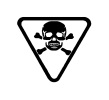
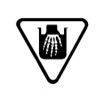
1 The following statement :
|
2 A declaration of net quantity of the pest control product in the package, expressed
|
| 3 The name, postal address, and email address of the Canadian manufacturer or distributor. |
| 4 The directions for the use of the pest control product, including application rates, timing of application and any limitations on its use. |
| 5 Information that identifies any risks associated with the handling, storage, display, distribution and disposal of the pest control product, and instructions on procedures to reduce those risks. |
| 6 Information that identifies any risks to health, the environment or anything in connection with which the pest control product is to be used, and instructions on procedures to reduce those risks. |
| 7 Instructions in first aid, under the heading "FIRST AID INSTRUCTIONS", that set out the practical measures to be taken in the event of poisoning, intoxication or injury caused by the pest control product. |
8 Section 8 of Schedule 2 to the Regulations is repealed.
9 Schedule 2 to the Regulations is amended by adding the following after section 8:
9 Chlorine used to prevent the accumulation of zebra mussels or quagga mussels in the intake pipe of drinking and industrial water treatment systems, under the following conditions:
- (a) use rates of chlorine must be consistent with drinking water treatment requirements of the applicable federal and provincial law and municipal by-laws; and
- (b) neither the effluent water nor the return water exceeds 2.0 ppm of free available chlorine.
10 The Regulations are amended by adding after Schedule 2 the Schedule 2.1 set out in the schedule to these Regulations.
11 Schedule 3 to the Regulations is amended by replacing the references after the heading “SCHEDULE 3” with the following:
(Subsection 3.2(3), paragraphs 3.2(10)(a) and 26(1)(e), subsection 34(2), and subparagraphs 3(a)(iii) and (iv) and clause 4(c)(i)(C) of Schedule 2)
Transitional Provisions
12 (1) Unless the context otherwise requires, words and expressions used in this section have the same meaning as in the Pest Control Products Act and the Pest Control Products Regulations.
(2) A valid registration in respect of a pest control product set out in section 7 of Schedule 2 to the Pest Control Products Regulations, as it reads on the day on which section 7 of these Regulations comes into force, that was issued under the Act before that day, ceases to be valid no later than December 31 of the third year after the day on which section 7 of these Regulations comes into force.
(3) If an application for registration in respect of a pest control product set out in paragraph 4(1)(h) of the Pest Control Products Regulations, as it reads on the day on which subsection 2(1) of these Regulations comes into force, was submitted to the Minister under the Act before that day, the process for the review of the application ends on the day on which that subsection comes into force.
(4) If an application for registration in respect of a pest control product set out in section 2.1 or 3 of Schedule 2 to the Pest Control Products Regulations, as they read on the day on which section 5 of these Regulations comes into force, was submitted to the Minister under the Act before that day, the process for the review of the application ends on the day on which section 5 comes into force.
(5) If an application for registration in respect of a pest control product set out in section 9 of Schedule 2 to the Pest Control Products Regulations, as it reads on the day on which section 9 of these Regulations comes into force, was submitted to the Minister under the Act before that day, the process for the review of the application ends on the day on which section 9 comes into force.
(6) If an application for registration or amendment to a registration in respect of a pest control product set out in section 7 of Schedule 2 to the Pest Control Product Regulations, as it reads on the day on which section 7 of these Regulations comes into force, was submitted to the Minister under the Act before that day — or if an application for renewal of a registration in respect of such a product was submitted to the Minister under the Pest Control Product Regulations before that day — the process for the review of the application ends on the day on which section 7 of these Regulations comes into force .
Coming into Force
13 (1) Subject to subsection (2), these Regulations come into force on the day on which they are registered.
(2) Sections 4 to 9 and 11 come into force on the 180th day after the day on which these Regulations are published in the Canada Gazette, Part II.
SCHEDULE
(Section 10)
SCHEDULE 2.1
(Subparagraph 4(5)(c)(i))
| Label information |
|---|
POLES AND CROSS-ARMS TREATED WITH PENTACHLOROPHENOL Pentachlorophenol-impregnated wood utility poles and cross-arms, Full Length Treated and Butt Treated (Lodgepole Pine, Jackpine, Yellow Pine, Red Pine, Scots Pine, Western Red Cedar, Yellow Cedar, Douglas Fir) SOLID READ THE FOLLOWING INFORMATION BEFORE USING A COPY OF THIS INFORMATION MUST BE PROVIDED TO WORKERS, INCLUDING SUBCONTRACTORS, PRIOR TO THEIR HANDLING, INSTALLATION, TRANSPORTATION, RELOCATION, USE, OR DISPOSAL OF THE PRODUCT. KEEP OUT OF REACH OF CHILDREN ACTIVE INGREDIENT: Pentachlorophenol plus related active chlorophenols… 0.81% RESTRICTED USE NOTICE TO USER: This pest control product is to be used strictly in accordance with this information. NATURE OF RESTRICTION: DIRECTIONS FOR USE: Use pentachlorophenol-treated products for the purposes of transmission and distribution of electricity and telecommunications in Canada in new line construction and replacements of damaged poles and cross-arms, to prevent decay, mould, and termite damage. Handle and install poles and cross-arms using truck auger/crane, slings, and other approved tools as per company guidelines, to be provided by the utility company. Wear the personal protective equipment described under the heading "OCCUPATIONAL PRECAUTIONS /PERSONAL PROTECTIVE EQUIPMENT" when climbing, installing, working on, handling, or coming into contact with poles or cross-arms. Use (installation), storage, and disposal of treated poles and cross-arms must be in accordance with applicable federal and provincial law and municipal by-laws, including for environmental protection such as preventing contamination of soils and surface waters. Follow any additional industry guidelines for the protection of human health and the environment. PRECAUTIONS: DO NOT handle product without proper training provided by utility company and approved personal protective equipment. FIRST AID — IF CONTACT IS MADE WITH SKIN: Rinse skin immediately with plenty of water for 15 to 20 minutes. Call a poison control centre or consult a doctor for treatment advice. Take a copy of this information or active ingredient name with you when seeking medical attention. TOXICOLOGICAL INFORMATION: Treat symptomatically. OCCUPATIONAL PRECAUTIONS / PERSONAL PROTECTIVE EQUIPMENT : Wear personal protective equipment ("PPE") whenever handling or servicing this product, including leather rigger gloves or leather linesman gauntlet gloves (or rubber gloves if lines are charged), long-sleeve shirt, bib, long pants, safety glasses, Canadian Standards Association approved safety boots, hard hat and appropriate outer wear for seasonal or inclement weather (raincoat, winter-lined coat, or overall/bibs). Replace PPE if signs of excessive wear are present. ENVIRONMENTAL PRECAUTIONS: Toxic to aquatic organisms. Refer to the information under the headings "Nature of Restriction" and the "Directions for Use" in order to prevent contamination of soil and surface waters. STORAGE: Subject to any applicable federal and provincial law, and municipal by-laws, store treated poles and cross-arms on pole storage or pole racking in a secured designated area. Pole and cross-arm storage areas should be inspected on a regular basis for evidence of excessive releases of pentachlorophenol. Inspections should include confirmation that there is no visible ground staining resulting from pole and cross-arm storage. In the event excessive release is detected, follow industry guidelines, including using proper machinery, for the safe removal of the pole or cross-arm from storage for disposal and cleanup of soil. DISPOSAL: Dispose of unused or unwanted product in accordance with applicable federal and provincial law and municipal by-laws. DO NOT BURN PENTACHLOROPHENOL-TREATED WOOD EXCEPT IN FACILITIES AUTHORIZED FOR DISPOSAL OF SUCH PRODUCTS. DO NOT USE PENTACHLOROPHENOL-TREATED WOOD AS A COMPOST OR MULCH. |
Terms of use and Privacy notice
Terms of use
It is your responsibility to ensure that the comments you provide do not:
- contain personal information
- contain protected or classified information of the Government of Canada
- express or incite discrimination on the basis of race, sex, religion, sexual orientation or against any other group protected under the Canadian Human Rights Act or the Canadian Charter of Rights and Freedoms
- contain hateful, defamatory, or obscene language
- contain threatening, violent, intimidating or harassing language
- contain language contrary to any federal, provincial or territorial laws of Canada
- constitute impersonation, advertising or spam
- encourage or incite any criminal activity
- contain external links
- contain a language other than English or French
- otherwise violate this notice
The federal institution managing the proposed regulatory change retains the right to review and remove personal information, hate speech, or other information deemed inappropriate for public posting as listed above.
Confidential Business Information should only be posted in the specific Confidential Business Information text box. In general, Confidential Business Information includes information that (i) is not publicly available, (ii) is treated in a confidential manner by the person to whose business the information relates, and (iii) has actual or potential economic value to the person or their competitors because it is not publicly available and whose disclosure would result in financial loss to the person or a material gain to their competitors. Comments that you provide in the Confidential Business Information section that satisfy this description will not be made publicly available. The federal institution managing the proposed regulatory change retains the right to post the comment publicly if it is not deemed to be Confidential Business Information.
Your comments will be posted on the Canada Gazette website for public review. However, you have the right to submit your comments anonymously. If you choose to remain anonymous, your comments will be made public and attributed to an anonymous individual. No other information about you will be made publicly available.
Comments will remain posted on the Canada Gazette website for at least 10 years.
Please note that communication by email is not secure, if the attachment you wish to send contains sensitive information, please contact the departmental email to discuss ways in which you can transmit sensitive information.
Privacy notice
The information you provide is collected under the authority of the Financial Administration Act, the Department of Public Works and Government Services Act, the Canada–United States–Mexico Agreement Implementation Act,and applicable regulators’ enabling statutes for the purpose of collecting comments related to the proposed regulatory changes. Your comments and documents are collected for the purpose of increasing transparency in the regulatory process and making Government more accessible to Canadians.
Personal information submitted is collected, used, disclosed, retained, and protected from unauthorized persons and/or agencies pursuant to the provisions of the Privacy Act and the Privacy Regulations. Individual names that are submitted will not be posted online but will be kept for contact if needed. The names of organizations that submit comments will be posted online.
Submitted information, including personal information, will be accessible to Public Services and Procurement Canada, who is responsible for the Canada Gazette webpage, and the federal institution managing the proposed regulatory change.
You have the right of access to and correction of your personal information. To seek access or correction of your personal information, contact the Access to Information and Privacy (ATIP) Office of the federal institution managing the proposed regulatory change.
You have the right to file a complaint to the Privacy Commission of Canada regarding any federal institution’s handling of your personal information.
The personal information provided is included in Personal Information Bank PSU 938 Outreach Activities. Individuals requesting access to their personal information under the Privacy Act should submit their request to the appropriate regulator with sufficient information for that federal institution to retrieve their personal information. For individuals who choose to submit comments anonymously, requests for their information may not be reasonably retrievable by the government institution.